

Run Progression
Keep your progress in view across a run. Review the choices that shape each match, identify where you lose momentum and set a clear priority for the next stage. Focus on the decisions that need attention first.

DEDNET boost starts with the decisions you make in a match. Focus on the part of your play that needs attention, from ROM choices and team calls to combat and run progression. Turn the key moments of a session into a clear plan for your next attempt.
Choose the part of your game you want to improve: run progression, ROM choices, team coordination, equipment use or combat. Compare the formats below and find the support that fits your goal.
Keep your progress in view across a run. Review the choices that shape each match, identify where you lose momentum and set a clear priority for the next stage. Focus on the decisions that need attention first.

Find a purpose for each ROM choice. Compare ability combinations against your playstyle, examine their trade-offs and test one change at a time. Build an approach you understand and know when to adjust it.

Make team calls easier to act on. Work on sharing positions, stating your next move and coordinating a response. Give each player a clear role in the moment so the squad can act together.
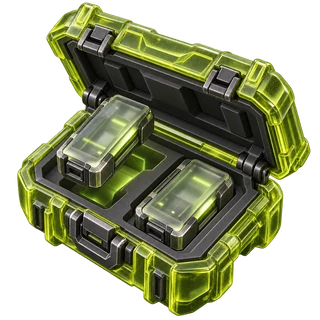
Match your equipment choices to the situation. Compare what you carry with what you find, consider your role in the squad and decide what deserves a place in your loadout. Make each change serve a clear purpose.

Get specific about the fights that cause trouble. Break down positioning, timing and the information available before an engagement. Focus practice on one recurring problem, then review how a different choice changes your options.

Turn a completed session into a short action list. Review key moments, recognise decisions worth repeating and pick the most useful adjustment for your next run. Keep the feedback tied to what happened in your match.
Useful support goes beyond a single match. The goal is to make your choices clearer and leave you with advice you can put into practice in another run.
A demonstration can show what to do while leaving the reason unexplained. Useful guidance makes that reason clear enough for you to challenge it, adapt it or decide when it does not apply.
Trying several unfamiliar ideas at once makes results difficult to interpret. One deliberate adjustment gives you a more useful point of comparison, even if that attempt does not go well.
Following a call without understanding it teaches very little. Asking what you would choose next keeps your own judgement involved and helps reveal where an explanation needs more detail.
Improvement is not only about removing mistakes. Recognising a repeatable strength gives you something reliable to build around, without turning one lucky outcome into a rule for every match.
Start with a clear goal, define the focus of your session and put the advice into practice. Finish with a recap that gives you something specific to work on next.
Choose the area you want help with: run progression, ROM choices, squad play or combat. Match the service to your priority so the session focuses on what matters to you.
Define the goal, format and length of the session. Pick the situations you want to work on and agree what to cover, whether that means ROM choices, team calls or a recurring combat problem.
Work through the situations that matter to your goal. Use coaching to understand your options during play, or focus on communication and coordinated decisions with your squad.
Review the key moments, the choices that worked and what to adjust. Take away practical pointers for your next run, such as a ROM change to test or a clearer team call.
DEDNET boosting on this site focuses on six areas: Run Progression, ROM Experiments, Squad Coordination, Equipment Decisions, Combat Coaching and Match Debriefs. Each format addresses a different part of play, from preparing an ability setup to reviewing the moments that shaped a match.
For help with fights, start with Combat Coaching. For ability setups, look at ROM Experiments. Squad Coordination focuses on team play, while Run Progression follows your decisions across a run. Match Debriefs is for reviewing a session you have already played.
Equipment Decisions focuses on the choices inside a match: what to keep, what to replace and how your loadout fits the situation. The aim is to understand why one option suits your role or immediate objective better than another.
Coaching and squad coordination centre on your own play. You make the inputs, follow the action and work through decisions as they happen. A match debrief uses moments from a completed session to explain those choices in more detail.
Bring one clear goal and an example of the problem you want to solve. A short clip or a description of a recent match gives the discussion a useful starting point. For squad practice, include the roles and calls your group uses.
Coaching focuses on applying advice as you play, with an opportunity to test an adjustment in the moment. A match debrief looks back at a completed session, giving you time to examine key decisions and choose what to practise next.

Choose a focus for your next run. Compare the six service formats and see where coaching, squad coordination or a match review fits your goal.
CHOOSE YOUR SERVICE